
 Flights
 Hotels
 Bus
Bus Stays
Stays Holidays
 Cars
Cars Flight Tracking
  Web Checkin
 Rail
Rail More
More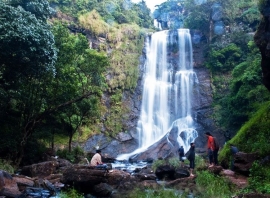
 bus
busOffer Details
| Monsoon Travel in India: Embracing the Rain Season for Unique Experiences |
When most travelers think about visiting India, they instinctively avoid the monsoon season, viewing the rains as an inconvenience that disrupts sightseeing plans and creates travel challenges.
When most travelers think about visiting India, they instinctively avoid the monsoon season, viewing the rains as an inconvenience that disrupts sightseeing plans and creates travel challenges. However, this perspective misses one of India's most magical and transformative periods. The monsoon, arriving between June and September, doesn't just bring rain—it brings life, color, renewal, and some of the most breathtaking landscapes you'll ever witness. In 2026, savvy travelers are increasingly discovering that monsoon season offers unique advantages: fewer crowds, dramatic price drops, lush green scenery, cultural festivals, and an authentic glimpse of India during a season that shapes the country's agriculture, economy, and soul. This comprehensive guide will help you understand why monsoon travel deserves consideration, which destinations become spectacular during the rains, what precautions to take, and how to make the most of traveling through India's wet season for an unforgettable experience.
Why Travel During Monsoon Season?
The monsoon transforms India into a completely different country. The parched brown landscapes of summer explode into vibrant greens almost oveight. Waterfalls that were mere trickles become thundering cascades. Rivers swell with fresh water, lakes fill to capacity, and the entire ecosystem comes alive with renewed energy. The air, heavy with moisture, carries the intoxicating scent of wet earth—a smell so beloved that perfumers have tried to capture it in a fragrance called "petrichor."
Budget-conscious travelers will find monsoon season incredibly rewarding. Hotel prices drop by 30-60% compared to peak season rates. A beach resort in Goa that costs ₹8,000 per night in December might be available for ₹3,000 in July. Flight tickets are cheaper, tourist attractions are less crowded, and you'll have popular sites almost to yourself—imagine exploring Rajasthan's palaces without battling crowds or photographing the Taj Mahal with minimal tourists in your frame.
The cultural significance of monsoons in India cannot be overstated. Monsoon is celebrated in poetry, music, art, and festivals. It's considered a romantic season, inspiring countless Bollywood songs and classical ragas. Farmers rejoice as their crops receive life-giving water. Special monsoon festivals like Teej and Raksha Bandhan are celebrated with great enthusiasm. You'll witness India in its most authentic, celebratory mood.
Best Destinations for Monsoon Travel
Kerala becomes absolutely magical during monsoon season. The backwaters swell and expand, creating perfect conditions for houseboat cruises through palm-fringed canals. The Weste Ghats receive heavy rainfall, transforming the hill stations of Munnar and Wayanad into mist-covered wonderlands where tea plantations glow emerald green. Ayurvedic treatments are considered most effective during monsoon when the body is most receptive to herbal therapies. The occasional heavy downpour doesn't disrupt activities—it enhances the experience of sipping chai while watching rain drumming on banana leaves.
Goa during monsoon is a revelation for those who only know its winter avatar. The beaches are deserted, the landscape tus lush green, and waterfalls like Dudhsagar reach their magnificent peak flow. While swimming might be restricted due to rough
Notifications
Login

SHRIJI TRAVELS is a online travel portal providing a diverse range of world-class, hassle-free travel services online. Our services include flight booking, inclusive holidays, hotel reservations, visa services and much more.


Copyrights © SHRIJI TRAVELS 2023


