
 Flights
 Hotels
 Bus
Bus Stays
Stays Holidays
 Cars
Cars Flight Tracking
  Web Checkin
 Rail
Rail More
More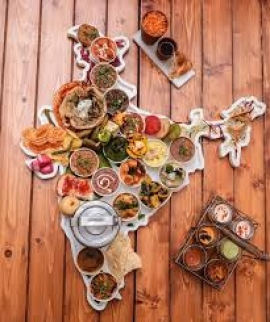
 bus
busOffer Details
| Food Tourism in India: A Culinary Journey Through Regional Flavors in 2026 |
India is not just a country—it's a vast culinary universe where every state, city, and even neighborhood tells its story through food.
India is not just a country—it's a vast culinary universe where every state, city, and even neighborhood tells its story through food. With 28 states and 8 union territories, each boasting distinct cuisines shaped by geography, climate, religion, and history, India offers food lovers an unparalleled gastronomic adventure. From the fiery curries of Andhra Pradesh to the delicate momos of Sikkim, from Mumbai's street food chaos to Kerala's sophisticated seafood preparations, Indian cuisine is as diverse as its billion-plus population. In 2026, food tourism has emerged as one of the most compelling reasons to visit India, with travelers specifically planning trips around culinary experiences, cooking classes, food walks, and regional festivals. This comprehensive guide will take you on a flavorful jouey through India's incredible food landscape, helping you discover authentic regional dishes, understand the cultural significance of Indian food, and plan the ultimate gastronomic adventure across this flavor-obsessed nation.
Why India is a Food Lover's Paradise
Indian cuisine is fundamentally about diversity and depth. While the Weste world often reduces Indian food to "curry," the reality is infinitely more complex and exciting. Each region has developed its own cooking techniques, signature spices, and iconic dishes over thousands of years. The use of spices is not about heat alone—it's about layering flavors, creating balance, and even achieving medicinal benefits according to ancient Ayurvedic principles.
The affordability of eating in India is remarkable. You can enjoy a full thali (platter) meal with rice, multiple curries, vegetables, lentils, bread, and dessert for ₹100-300 at local restaurants. Street food offers incredible variety for ₹20-100 per item. Even fine dining experiences at top restaurants cost a fraction of what you'd pay in Weste countries—a gourmet multi-course meal rarely exceeds ₹2,000-3,000 per person.
The authenticity and freshness are unbeatable. Indians take their food seriously; recipes are passed down through generations, and there's genuine pride in regional specialties. Markets overflow with fresh produce, spices are ground daily, and bread is often made to order. The vegetarian options are world-class—India has perfected plant-based cuisine over millennia, making it a paradise for vegetarians and vegans.
North India: Rich, Creamy, and Aromatic
North Indian cuisine, particularly from Punjab, Delhi, and Uttar Pradesh, is what most Westeers recognize as "Indian food." This region gave the world butter chicken, naan, tandoori preparations, and rich Mughlai curries. The use of dairy—ghee, cream, paneer, and yogurt—is prominent, creating rich, indulgent dishes.
Delhi, the capital, is a street food haven. Start your day with paranthe (stuffed flatbreads) in the lanes of Chandni Chowk, where shops have been serving the same recipes for generations. Try chole bhature (spicy chickpeas with fried bread), a beloved breakfast that's sinfully delicious. The city's chaat (savory snacks) scene is legendary—golgappas (crispy spheres filled with tangy water), aloo tikki (spiced potato patties).
Notifications
Login

SHRIJI TRAVELS is a online travel portal providing a diverse range of world-class, hassle-free travel services online. Our services include flight booking, inclusive holidays, hotel reservations, visa services and much more.


Copyrights © SHRIJI TRAVELS 2023


